
If you’ve ever found yourself wondering, “Why is email not working for us?”, you’re not alone.
I hear it all the time.
Businesses send an email newsletter every month, watch open rates hover around average (or worse), and quietly question whether newsletter email marketing is even worth the effort anymore.
Here’s the truth: email isn’t the problem. Strategy is. When done properly, email newsletter marketing remains one of the highest-ROI channels available to modern businesses.
But success requires more than attractive design. It requires thoughtful newsletter copywriting, audience segmentation, compelling subject lines, and consistent value.
Let’s break down how to do email newsletter marketing smarter.
TL;DR
- Email newsletter marketing remains one of the highest-ROI digital channels.
- Strong newsletter copywriting matters more than fancy design.
- Focus on value first, promotion second.
- Segment and personalize to increase engagement.
- Clear subject lines and consistent timing boost open rates.
- Optimize for mobile and always include a strong CTA.
- Test, analyze, and refine—strategy beats guesswork.
What Are the Best Email Newsletter Marketing Strategies?
The best email newsletter marketing strategies focus on audience segmentation, value-driven content, strong subject lines, mobile optimization, and clear calls-to-action. Consistent scheduling and ongoing A/B testing improve open rates and engagement. When done strategically, email newsletters build trust, nurture leads, and drive measurable business results.
What is Email Newsletter Marketing?
At its core, email newsletter marketing is the practice of sending recurring, value-driven emails to subscribers who have opted in to hear from your business.
Unlike one-off promotional blasts, a true email newsletter is relationship-focused. It’s sent consistently—often weekly or monthly—and is designed to inform, educate, and nurture rather than simply sell.
According to Campaign Monitor, newsletters allow businesses to maintain direct communication with their audience, strengthening trust over time. This is particularly important in a digital landscape where algorithms control visibility on social media and paid ads become increasingly competitive.
If you’ve asked yourself:
- Is a newsletter email marketing? Yes. It’s a core component of email marketing strategy.
- What is email newsletter marketing? It’s structured, ongoing communication designed to build long-term engagement and drive action.
Done right, email newsletters become one of your most valuable owned marketing assets.
Why Should I Send Email Newsletters?
Many business owners still question, “Why send a newsletter? Does it really make a difference?”
The short answer: yes—and the data supports it.
Industry research consistently shows email marketing delivers one of the strongest returns on investment in digital marketing, often averaging $36 per $1 spent. Average open rates typically fall between 20–30%, with high-performing brands exceeding that range significantly.
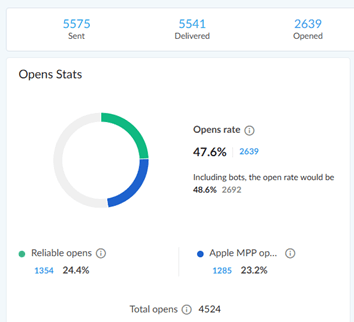
In my own work, I’ve achieved consistent open rates of 40–50%, well above industry benchmarks. That doesn’t happen accidentally. It happens through strategic newsletter copywriting and careful segmentation.
Beyond ROI, email newsletters offer something few other channels provide: personalized, direct communication. You aren’t relying on social media algorithms or competing in a noisy feed. Your message lands directly in someone’s inbox.
That inbox presence builds brand awareness over time. When your company consistently appears with helpful, relevant content, trust develops naturally. And trust drives sales.
Email newsletters also generate valuable data. You can see exactly who opened your message, what they clicked on, and when they engaged. That level of insight allows you to continually refine your strategy—whether that means adjusting send times, modifying subject lines, or changing content formats.
And compared to paid advertising, newsletters are cost-effective. Many platforms offer free tiers for small lists, making email one of the smartest marketing investments available.
What Should I Include in Email Newsletter Marketing?
One of the most common questions I receive is: What does an email newsletter look like?
There isn’t one single formula, but there are proven content categories that consistently perform well.
Strong newsletters often include a mix of educational and relationship-building content. Sharing blog posts or YouTube videos is an excellent way to repurpose existing content while driving traffic back to your website. Company updates, product launches, and service announcements keep your audience informed and reinforce brand momentum.

Exclusive offers for subscribers create loyalty and urgency. Case studies and testimonials provide social proof. Job postings showcase growth. FAQs address objections before they become barriers.
Behind-the-scenes content humanizes your brand, while feedback requests, contests, giveaways, and even simple holiday greetings strengthen connection.
What makes a good email newsletter isn’t the volume of content; it’s the relevance. If your audience finds consistent value in your emails, engagement follows.
How to Create an Email Newsletter That Gets Read
Creating an email newsletter that actually gets opened—and read—starts long before you design it.
Step 1: Define Your Target Audience
Who is this email for? What challenges are they facing? What outcomes are they trying to achieve? Segmentation dramatically improves engagement by allowing you to speak directly to specific needs rather than broadcasting generic content.
Step 2: Prioritize Newsletter Copywriting
Next, remember that newsletter copywriting matters just as much—if not more—than design. Yes, visuals are important. Your email should be clean, mobile-friendly, and easy to scan. But words drive action. Some tips to make your newsletter copywriting the best it can be include:
- Keep your writing concise. Use short paragraphs. Break up text for readability. Respect your reader’s time.
- Offer real value. Elastic Email emphasizes a 90/10 balance—90% helpful, informative content and 10% promotion. That ratio builds trust over time.
- Incorporate personalization to increase engagement. Using subscriber names is just the beginning. Segmenting content based on behaviour, industry, or past purchases significantly boosts performance.
- Create clear call-to-action(s). Whether you want readers to book a consultation, read a blog post, download a guide, or explore a product, clarity is essential.
Step: Complete Optimizations
Don’t ignore mobile optimization. More than half of emails are opened on mobile devices. Your newsletter format should use responsive design, readable fonts, and tappable buttons.
Step 4: Make Ongoing Improvements
Always test and analyze. If you’re wondering why email isn’t working, your data likely holds the answer. A/B test subject lines. Experiment with send times. Evaluate click-through rates. Optimization is ongoing.
Email Newsletter Examples from Sarah McKenzie Copywriting & Web Design
I don’t just write about email newsletters; I build them all the time for my retainer clients.
Over the years, I’ve created newsletters for international retail consultants, telecom providers, and product- and service-based businesses across Canada and beyond.
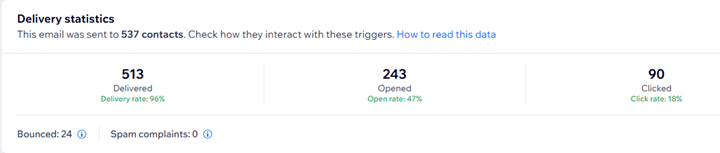
These campaigns have achieved open rates well above industry averages and generated consistent engagement month after month. Strategic structure, thoughtful segmentation, and strong newsletter copywriting make the difference. Check out some recent stats from email newsletter campaigns:


Benefits of Outsourcing Your Company’s Email Newsletter
Email newsletter marketing takes time and consistency.
With more than 15 years of experience in communications, SEO blog writing, website copy, and social media strategy, I approach newsletters strategically, not casually. I understand tone nuance across Canadian, US, and British English, and I honour brand preferences down to punctuation choices (yes, even the Oxford comma).
Most importantly, I focus on measurable results. Achieving 40–50% open rates didn’t happen by chance. It required audience analysis, content planning, subject line refinement, and ongoing optimization.
Outsourcing ensures your newsletters aren’t rushed, inconsistent, or treated as an afterthought. Instead, they become a core growth asset.

Best Practices for Email Newsletters
- Write strong subject lines. Spark curiosity, promise clear value, and stay honest. Avoid spam-trigger words and excessive capitalization.
- Send consistently. While ideal timing varies by industry, predictable scheduling builds anticipation and improves engagement.
- Choose the right platform for your needs. Popular options include Mailchimp, ConvertKit, Brevo, Campaign Monitor, and ActiveCampaign. Your ideal choice depends on list size, automation requirements, and growth goals.
- Keep length intentional. Most newsletters perform well between 300–800 words. Educational emails may run longer, while promotional emails should stay concise. Clarity always beats volume.
Conclusion: A Smarter Approach to Email Newsletter Marketing
Email newsletter marketing isn’t outdated—it’s underleveraged. When built strategically, newsletters nurture relationships, reinforce brand authority, and generate measurable ROI. They answer key audience questions, position you as an expert, and create predictable touchpoints with your market.
If you don’t have the time to plan, write, test, and optimize consistently, outsourcing to a freelance copywriter may be the smartest move you make this year.
Email isn’t failing. It just needs strategy.
FAQs
What is email newsletter marketing?
It’s a recurring, value-driven email communication strategy designed to nurture relationships and drive engagement.
What does an email newsletter look like?
A structured email with branded design, clear sections, helpful content, and a defined call-to-action.
How often should newsletters be sent?
Weekly or monthly is common. Consistency matters more than frequency.
Are email newsletters effective?
Yes. When properly segmented and strategically written, they deliver strong ROI and engagement.
Which newsletter platform is best?
Mailchimp, ConvertKit, Brevo, Campaign Monitor, and ActiveCampaign are among the most popular options.
How many words should an email newsletter be?
Typically between 300–800 words depending on its purpose.